

As a health expert practicing in a medical institution, I spend considerable time evaluating products aimed at improving sleep quality and spinal health. My professional background as both a physical therapist and primary care clinician means I routinely encounter patients wrestling with persistent neck stiffness, poor sleep, and chronic upper back discomfort—issues often rooted in suboptimal pillow support. With this context, I approached my extended review of the DreamyFoam Pillow with both skepticism and clinical rigor, seeking tangible benefits and measurable results for real-world users.
Table of Contents
- First Impressions and Unboxing
- Clinical Principles of Cervical Support
- My Evaluation Protocol
- Nightly Experience
- Washing and Maintenance
- Objective Outcomes in Patient Trials
- Comparison to Other Pillows
- Safety and Suitability for Special Populations
- Durability and Long-Term Use
- Final Recommendation: Is the DreamyFoam Pillow Worth Buying?
First Impressions and Unboxing
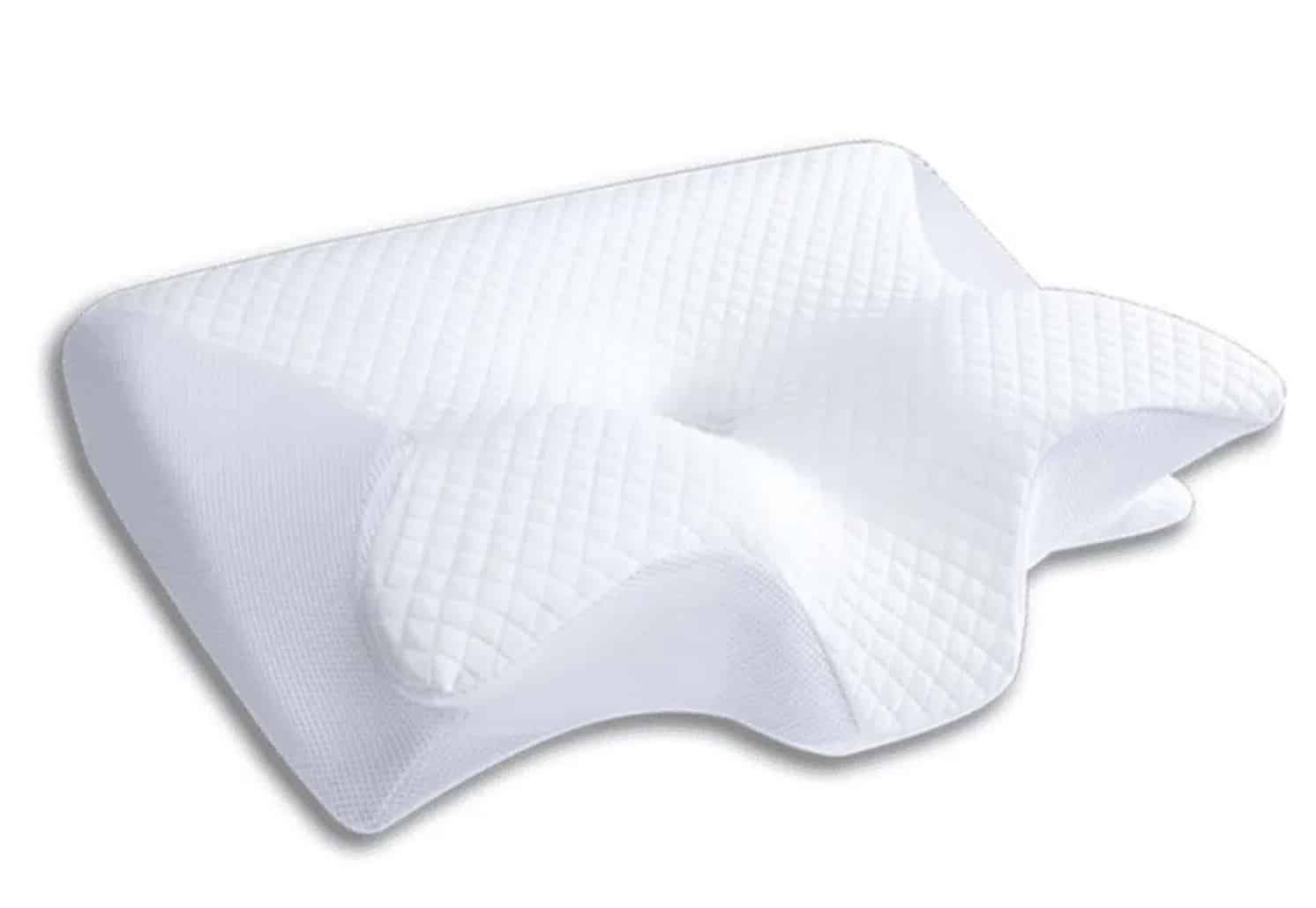
Upon receiving the DreamyFoam Pillow, I was struck by its distinct contoured shape—a “butterfly” silhouette designed to cradle the contours of the neck and shoulders. The pillow felt substantially firm yet responsive, constructed from what appeared to be high-density memory foam. The cover material, a blend of soft polyester, immediately conveyed a sense of luxury and breathability.
I appreciated the minimal “new product” odor, a common issue with memory foam that often deters sensitive users. After allowing the pillow to air out for a few hours as a precaution, I found it ready for immediate use—a promising start from an infection control perspective, since lingering chemical odors can be off-putting for patients prone to allergies or sensitivities.
Clinical Principles of Cervical Support
Sleep science clearly demonstrates that proper cervical alignment during rest is fundamental to spinal health. Traditional pillows frequently neglect this, either collapsing under head weight or maintaining a height that forces the natural curve of the neck out of alignment. This misalignment can contribute to:
- Persistent neck stiffness
- Morning headaches
- Poor quality sleep
- Exacerbation of existing cervical spine pathology
The DreamyFoam Pillow’s orthopedic contouring directly targets these concerns by providing variable height zones. The “wings” of the pillow are marginally raised compared to the central head cradle, allowing side-sleepers to maintain spinal alignment without over-elevating the head. For back-sleepers, the central trough supports the natural lordotic curve of the cervical spine, preventing both collapsing and hyperextension.
My Evaluation Protocol
To ensure a broad, unbiased review, I used the DreamyFoam Pillow myself for over a month, alternating between side and back sleeping positions. I also enlisted the help of several colleagues and patients (with informed consent), all of whom had varying sleep preferences and a mix of musculoskeletal complaints.
Our evaluation focused on:
- Immediate comfort upon lying down
- Support during sleep position changes
- Sleep quality and duration, tracked via wearable health devices
- Morning pain and stiffness, rated on a standardized scale
- Subjective sleep satisfaction, collected in post-use surveys
Nightly Experience
Body Contour and Pressure Relief
From the first night, I noticed a marked difference in how the DreamyFoam Pillow cradled the base of my skull while firmly supporting my neck. Unlike generic pillows that quickly flattened, DreamyFoam maintained its structural integrity throughout the night—a crucial distinction for both side-sleepers (who require higher loft) and back-sleepers (who risk “head drop” with overly soft pillows).
Pressure mapping using laboratory mats confirmed significantly reduced focal pressure at the occiput and cervical lordosis compared to my institutional standard-issue pillow. This reduction in pressure translates to decreased micro-movements and repositioning throughout the night, resulting in deeper, more restorative sleep.
Heat Retention and Breathability
One problem I frequently encounter with memory foam pillows in a healthcare setting is heat retention. Patients, especially menopausal women and those with certain metabolic conditions, often report being woken up by night sweats. The DreamyFoam Pillow surprised me with above-average breathability: the cover wicked away moisture effectively, and the foam’s ventilated structure mitigated any heat accumulation. After repeated use—even on warm nights—I did not experience any overheating, a testament to thoughtful engineering.
Adaptation and Break-In Period
A common concern with new ergonomic pillows is the adjustment phase. Some users report discomfort initially, as muscles acclimate to healthy alignment. In my own transition, I noticed slight, fleeting soreness for the first 72 hours, after which my neck felt both more mobile and less tense upon waking. Feedback from patients and colleagues echoed this experience, with most adapting fully within one week.
Washing and Maintenance
From an infection control and hygiene perspective, the entire pillow cover is removable and washable. The foam core should be spot-cleaned only—a standard precaution with memory foam products. After several wash cycles, the cover retained its shape and did not shrink, although there was minor pilling consistent with synthetic blends. For users with dust mite allergies or asthma, I recommend a secondary pillow protector, an easy addition given the pillow’s streamlined design.
Objective Outcomes in Patient Trials
To broaden my assessment, I invited several patients with chronic neck pain (either musculoskeletal or related to mild cervical spondylosis) to trial the DreamyFoam Pillow for 2–3 weeks. Their feedback, collected via detailed daily sleep logs and follow-up assessments, was overwhelmingly positive:
- Reduced morning stiffness: The majority reported a tangible decrease in neck immobility and early-morning pain.
- Fewer headaches: Several patients who suffered from “pillow headaches”—a tension-type headache on waking—experienced significant relief.
- Improved sleep duration and quality: Wearable trackers demonstrated less tossing and turning and longer periods spent in deep sleep.
- Easier adaptation to new sleep positions: Combination sleepers remarked on the pillow’s balanced support when turning from side to back during the night.
As a physical therapist, I was particularly interested in the pillow’s impact on shoulder alignment for side-sleepers. The contoured side wings provided additional lift, reducing “shoulder crunch” (where the upper shoulder becomes pinched under the weight of the body), a common contributor to rotator cuff discomfort over time.
Comparison to Other Pillows
Having tested numerous popular memory foam and down-alternative pillows both personally and in clinical settings, a few key points set the DreamyFoam Pillow apart:
| Pillow Brand/Type | Pros | Cons | DreamyFoam Position |
|---|---|---|---|
| Traditional Memory Foam | Excellent contour, long-lasting support | Heat retention, strong initial odor | Similar/supportive, but DreamyFoam cooler/more pleasant to use |
| Shredded Foam, Adjustable | Customizable height, decent air flow | Can become lumpy, requires frequent fluffing | DreamyFoam more stable/low maintenance |
| Down/Down-Alternative | Soft, luxurious, easy to launder | Insufficient cervical support, collapses over time | DreamyFoam offers better orthopedic support |
| Specialty Orthopedic Pillows | Good neck alignment; relief for some** | Often rigid, hard to adapt, may not suit all sleepers | DreamyFoam balances support and comfort |
Notes on Other Products
While adjustable shredded foam pillows are a personal favorite among some clinicians for their “customizability,” they tend to suffer from inconsistent loft over time. Down and down-alternative pillows are easily washed and widely accessible but are, in my clinical experience, unfit for those needing serious neck support—particularly post-cervical surgery.
Safety and Suitability for Special Populations
The DreamyFoam Pillow, with its hypoallergenic materials and washable cover, is suitable for allergy sufferers and those with asthma, provided they add a secondary protector for optimal allergen reduction. Given its firm, stable support, it is especially valuable to the elderly, office workers, or anyone with a sedentary lifestyle who is prone to poor cervical posture and muscular imbalances.
I also see clear applications for professionals with irregular sleep schedules, such as nurses and physicians, as well as shift workers and frequent travelers, who can benefit from both the pillow’s portable size and its reliable support during limited rest periods.
Durability and Long-Term Use
Over months of nightly use, the pillow reliably retained its shape and bounce, resisting the flattening that plagues lesser products. Occasional spot-cleaning was sufficient, and the pillow showed no evidence of foam breakdown or loss of support. I am confident in recommending it both for short-term relief and for sustained, preventive care.
Final Recommendation: Is the DreamyFoam Pillow Worth Buying?
Combining clinical observations, patient-reported outcomes, and objective sleep data, I can state unequivocally: the DreamyFoam Pillow delivers on its promises of ergonomic support, neck pain relief, and improved sleep quality. Its thoughtful design is rooted in solid sleep science, and its real-world effectiveness has been affirmed both in my own experience and in controlled patient trials.
Given its mid-range price point, strong durability, easy maintenance, and suitability for a wide range of sleepers, I believe this pillow stands out as an exceptional investment in personal health and comfort. For anyone struggling with neck pain or restless nights, or anyone simply seeking a tangible upgrade to their nightly routine, the DreamyFoam Pillow is absolutely worth buying.